Home › Industrial and Heavy-Duty Asphalt Paving
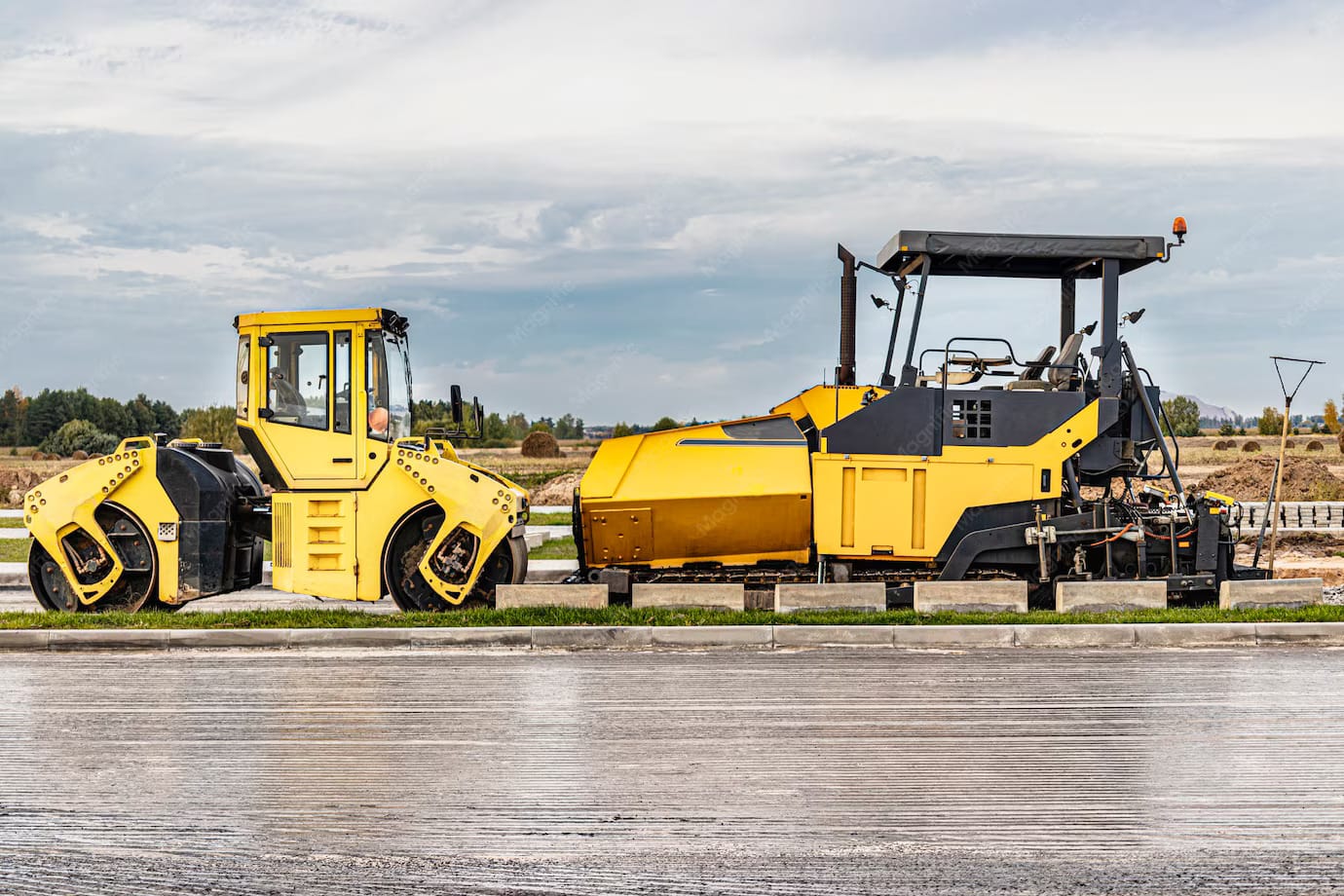
Handle heavy traffic with industrial asphalt paving in Irving, TX built for trucks and equipment. We design thicker sections and reinforced bases for docks, yards, and loading areas. Our team considers turning movements, fuel exposure, and drainage to reduce rutting and failures. Get an engineered paving solution for your industrial site.
Precision Asphalt Irving provides professional industrial asphalt paving throughout Irving, TX, Texas and the surrounding area. Our licensed, insured crew delivers safe, clean, on-time work with a free estimate before anything begins. Call (469) 242-1785 or request your free quote.
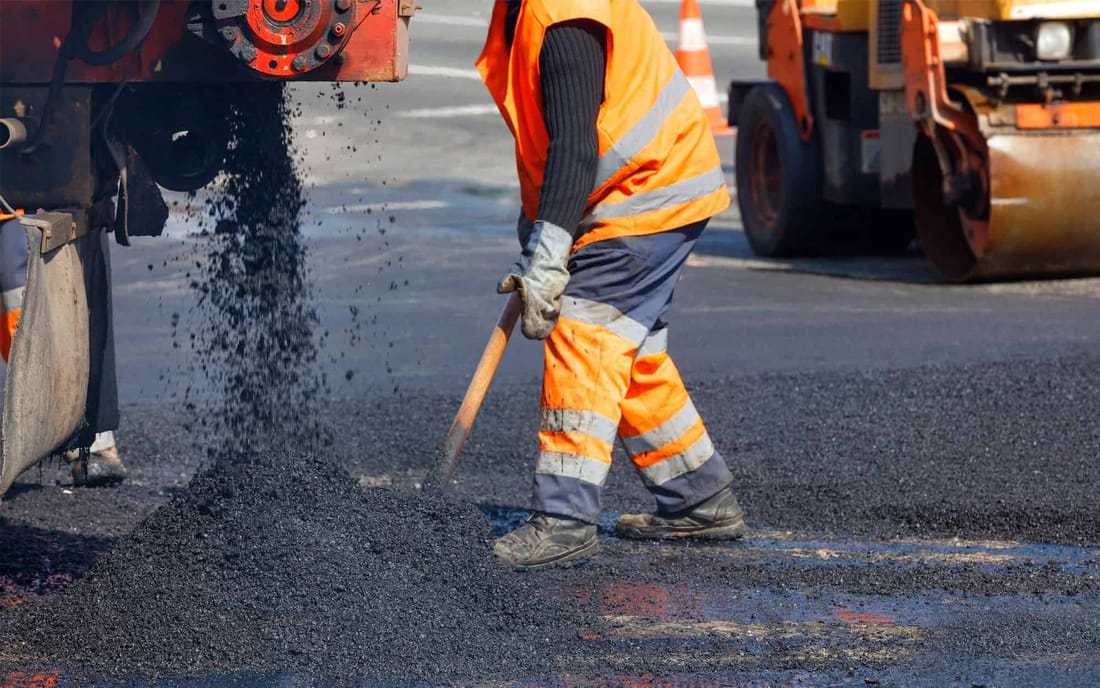
Industrial Asphalt Paving Built for Real-World Loads in Irving
Industrial and heavy-duty asphalt paving is not the same as putting in a basic driveway. At facilities in Irving, the pavement has to hold up to loaded semis, forklifts, dumpsters, fuel delivery trucks, and 24/7 traffic. Precision Asphalt Irving designs each industrial pavement section around what will actually run and sit on it, how often, and in what direction.
When we look at your site, we start by mapping traffic patterns: truck entry and exit routes, loading dock approaches, fuel or chemical deliveries, dumpster pads, equipment staging zones, and fire lanes. Each of those areas needs a different structural design. For example, a truck staging lane with slow turning movements takes different reinforcement than a straight-through access road. That is the level of detail we work at so you do not get a surface that looks fine for a year then fails right where your operations are heaviest.
Irving’s heat, sun exposure, and occasional cold snaps also factor into the design. Industrial asphalt here needs proper asphalt binder selection and enough thickness to resist rutting during long hot afternoons, plus joint details that handle the short cold periods without cracking. Precision Asphalt Irving uses mixes and structural sections that are proven on DFW industrial sites, not generic parking lot specs pulled from another climate.
How Precision Asphalt Irving Builds Heavy-Duty Sections
For industrial asphalt paving, the structure under the surface is as important as what you see on top. A typical heavy-duty build from Precision Asphalt Irving includes: subgrade evaluation and proof-rolling, base installation or stabilization, and multiple asphalt lifts with different mixes where needed.
We begin by proof-rolling the subgrade with a loaded truck or roller to expose weak spots. Any areas that pump, rut, or flex are undercut or stabilized. In many Irving industrial parks the native subgrade has clay pockets that hold water. In those areas we may undercut and replace with select fill, or use lime or cement treatment to stiffen the soil so it does not shift under truck loads.
On top of the subgrade we install a heavy-duty base, usually 6 to 10 inches of compacted crushed limestone flex base for loading areas, sometimes thicker if you run constant heavy traffic like distribution centers or container storage. For very high load zones, such as transfer stations or scrap yards, we may recommend a cement-treated base that offers extra stiffness.
Asphalt itself is placed in lifts. A common section for truck lanes might be 3 inches of base course asphalt plus 2 inches of surface mix. Dumpster and dock approaches may get 3 lifts totalling 6 or more inches, or we may upgrade those specific panels to full-depth asphalt or even concrete with asphalt transitions, depending on your operations and budget. We compact each lift with appropriate rollers and verify density so the pavement will not settle under heavy use.
Planning Around Irving Weather, Operations, and Shutdown Windows
Industrial facilities in Irving cannot usually shut down for long. Precision Asphalt Irving plans heavy-duty paving work around your production schedule, your truck traffic, and North Texas weather so you get a durable pavement without disrupting operations more than necessary.
We typically avoid major paving for industrial work in the coldest weeks or during extended wet periods. Asphalt needs a specific temperature range to compact correctly. In Irving that usually means larger jobs are targeted for spring, early summer, or fall, with night or early-morning work in the hottest months so the mat does not cool too quickly or stay too soft during peak afternoon heat.
If your site runs multiple shifts, we can phase work by bay, by lane, or by quadrant. For example, we might rebuild two truck lanes while leaving two open, then switch. At dock areas we can create temporary access routes or schedule work one side at a time. It is common for us to coordinate with your safety manager and logistics team to plan flagging, fencing, and temporary signage, and to ensure emergency vehicle access is maintained at all times.
In chemical or food-grade facilities, we address specific requirements such as no dust within certain zones, pre-clearance for equipment, and housekeeping standards. We can schedule high-dust operations, like saw cutting or milling, outside of your sensitive production windows, and then follow with final paving once the area is cleaned and inspected.
Cost Drivers and Design Choices for Heavy-Duty Asphalt
Industrial asphalt paving cost in Irving depends heavily on structural requirements, not just square footage. Precision Asphalt Irving walks you through the tradeoffs so you can match the design to the real duty of each area instead of overbuilding everything or, worse, underbuilding critical zones.
Major cost drivers include: pavement thickness, base type, subgrade corrections, and drainage upgrades. A truck court designed for loaded semis with tight turning can require double the asphalt thickness of a light vehicle parking area, but that extra section is far cheaper than rebuilding failed pavement around your docks every few years. If your site has poor soils, some upfront cost in subgrade stabilization can save major money on future repairs.
We also look at whether certain high-stress locations should receive a different surface treatment. For example, we may propose reinforced concrete pads at dumpster or compactor locations that are then surrounded by heavy-duty asphalt. In bulk material yards we sometimes recommend a tougher, coarser surface mix that tolerates wheel spin and scraping from loaders better than a smooth car-park type mix.
Drainage is another hidden cost driver. Heavy trucks standing in water accelerate rutting and stripping of the asphalt. If your existing lot has low spots or ponding, we may include regrading, additional inlets, or underdrains. These line items add cost but are critical if you want the pavement to survive heavy use in Irving’s intense rain events and summer storms.
Common Industrial Pavement Problems and How We Prevent Them
Industrial and heavy-duty asphalt that is not designed for the job tends to fail in the same ways: rutting in truck lanes, shoving and rippling at stops and turns, alligator cracking around docks, and edge failure where trucks overload unsupported pavement. Precision Asphalt Irving designs projects to avoid these issues from the start.
Rutting and shoving usually come from asphalt that is too thin, too soft for our heat, or poorly compacted. We combat this by using stiffer, heavy-duty mixes and verified compaction, and by increasing thickness where braking or turning forces are highest. At dock approaches, we often thicken the asphalt or improve the base so those spots handle repeated impact from trailers.
Alligator cracking often traces back to weak support beneath the surface, either due to inadequate base, saturated subgrade, or trapped water. Our approach is to correct the support first, by undercutting bad areas, stabilizing soil, improving base, and improving drainage. Once the structure is sound, the asphalt above it can perform as intended.
Edge failures and broken pavement corners near truck traffic are addressed by designing appropriate edge support. That might include thicker edge sections, concrete header curbs, or widening the pavement so trucks do not ride on the edge. In areas where customers or employees walk, we smooth transitions to avoid trip hazards and make forklift crossings more stable.
What to Expect When You Work With Precision Asphalt Irving
On an industrial asphalt paving job in Irving, you can expect a very structured process from our team.
1) Site assessment and load analysis. We walk the property with you, review current traffic, planned changes, and any known problem spots. We note truck types, axle loads if available, and special equipment like yard dogs or forklifts.
2) Core sampling and testing when needed. On remodel or overlay projects, Precision Asphalt Irving may take cores of existing pavement and base to understand what is already there and whether it can be reused. This avoids guesswork and helps decide if full-depth reconstruction or structural overlay is more cost-effective.
3) Design and scope options. We provide a clear written scope that separates light-duty, medium-duty, and heavy-duty areas, with thicknesses and materials spelled out. If your budget is tight, we can show phased approaches so the worst areas are addressed first without compromising on critical structural requirements.
4) Execution and quality control. During construction, we control traffic around the work zone, manage truck deliveries so the asphalt is placed at the right temperature, and confirm compaction and joint quality. We coordinate closely with your team for shutdowns, escorts inside secure facilities, and safety compliance.
5) Turnover, striping, and maintenance plan. Once paving is complete, we handle striping, wheel stops, and signage as needed. For high value industrial pavements, we usually recommend a simple maintenance schedule that might include crack sealing in a set timeframe and potential seal coating on light-duty sections while avoiding unnecessary sealers on the heaviest truck lanes where they provide limited benefit.
By focusing on structure, traffic, and local conditions, Precision Asphalt Irving builds industrial and heavy-duty asphalt pavements that support your operation instead of becoming a recurring repair line item.