Home › Asphalt Milling and Reclamation
Prepare your site for new paving with asphalt milling in Irving, TX. We remove existing surfaces to a set depth, profile for drainage, and haul or reuse millings. Full depth reclamation blends asphalt and base for stabilization before resurfacing. Get expert guidance on the right milling and reclamation approach for your pavement.
Precision Asphalt Irving provides professional asphalt milling throughout Irving, TX, Texas and the surrounding area. Our licensed, insured crew delivers safe, clean, on-time work with a free estimate before anything begins. Call (469) 242-1785 or request your free quote.
Asphalt Milling and Reclamation in Irving, TX
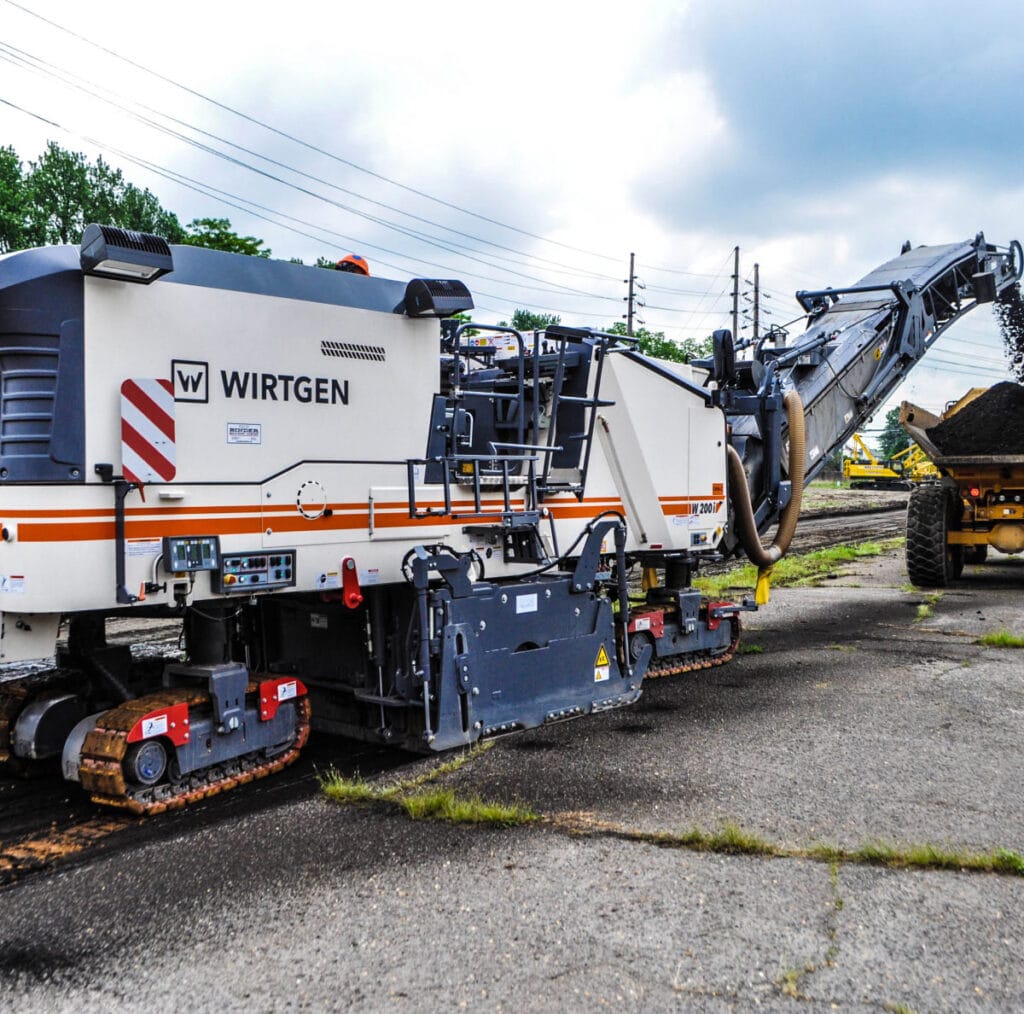
Asphalt milling is a precise way to remove worn or damaged pavement so a new surface can be installed without rebuilding the entire road or parking lot. At Precision Asphalt Irving, we use heavy milling machines with rotating drums and carbide teeth to grind off a controlled depth of asphalt, from a thin surface layer to several inches, depending on what your pavement needs.
For Irving property owners, this is often the most cost effective way to fix ruts, drainage issues, and surface cracking while keeping the existing base in place. Instead of hauling everything off and starting from bare soil, we mill only what is necessary, correct problem areas, and then resurface. This reduces cost, speeds up the job, and limits disruption to your home, business, or tenants.
We handle milling and full depth reclamation projects for HOAs, small commercial centers, churches, apartments, and industrial yards around Irving and neighboring cities. Every project starts with a site walk to determine whether milling alone is enough or whether deeper reclamation is needed to correct base failures, soft subgrade, or long term drainage problems.
How Asphalt Milling Actually Works on Your Property
On a typical Irving milling project, our crew begins by marking utilities and sensitive structures like inlet grates and manholes. We coordinate with Texas 811 when required and check existing as-built plans when available. Protecting underground lines and on-site structures keeps the milling depth accurate and prevents costly surprises.
Next, our milling machine is set to a specific depth, often between 1 and 3 inches for overlays. We control the slope through electronic grade controls so water will shed correctly to inlets or the street. This is especially important in Irving where older properties often have flat parking areas that tend to pond after heavy North Texas storms.
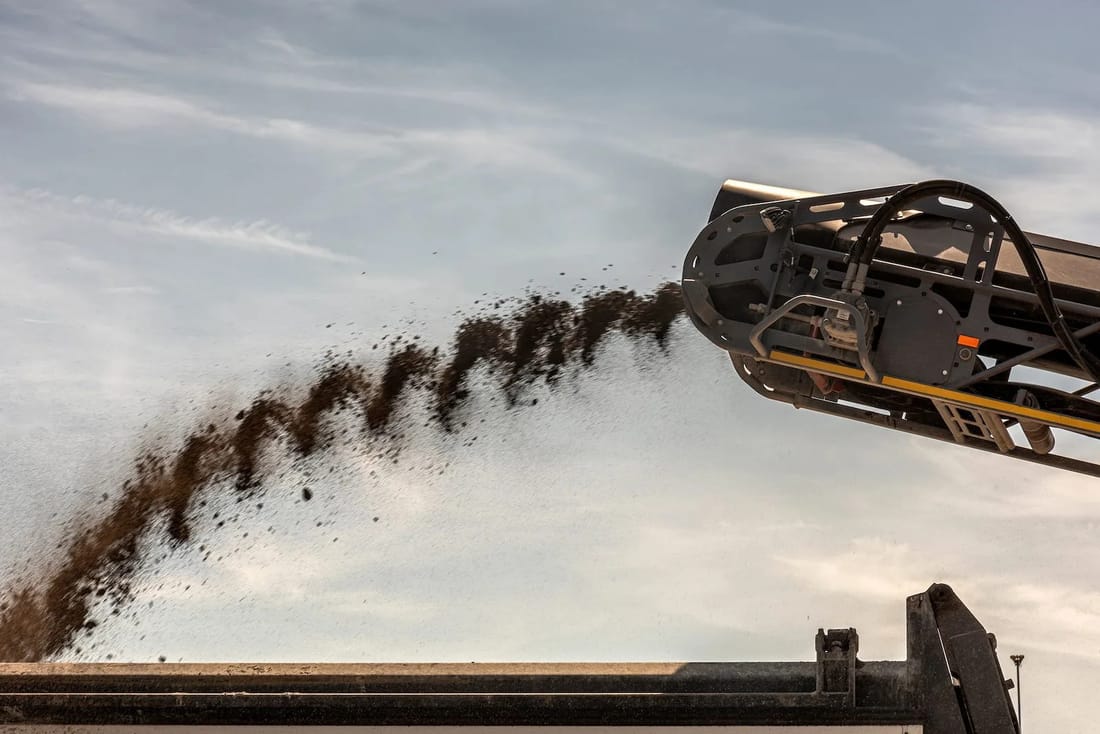
As the machine mills, a conveyor loads the grindings directly into trucks. Those millings are either reused on site as a base improvement or hauled to an approved facility for recycling. We then do a detailed cleanup: brooming, power sweeping, and blowing fine dust off the remaining surface so that the new asphalt layer bonds correctly.
Before paving, we address localized issues revealed by milling, such as soft spots, failed joints, or areas where the base has pumped fines. We cut out and repair those sections with new base and asphalt so you are not simply covering up failures that would show through again in a year or two.
Full Depth Reclamation for Deeper Failures
When asphalt surfaces in Irving have deep rutting, widespread alligator cracking, or obvious base movement, simple surface milling is not enough. Full depth reclamation is the process of pulverizing the asphalt and a portion of the underlying base together, regrading that material, and compacting it to create a stronger foundation for new pavement.
Using a reclaimer, Precision Asphalt Irving grinds the existing asphalt and base to a predetermined depth, often 6 to 10 inches, depending on soil conditions and traffic load. In many cases, we add cement or other stabilizing additives while mixing to stiffen the base. This is especially helpful in parts of Irving with clay subgrades that swell and shrink with moisture.
After mixing, we shape the material to the proper cross slope and profile using motor graders. Then we compact it with vibratory rollers until density targets are reached, verified with field tests. Once the reclaimed base has cured, we apply a tack coat and place one or more lifts of new hot mix asphalt. The result is a structurally upgraded section of pavement without the cost of removing and hauling off all existing materials.
Reclamation is often the best solution for older industrial lots, alleys, or private drives that have been patched repeatedly and now move under truck traffic. It allows us to reset the structure of the pavement while keeping much of your existing investment in place.
Local Factors That Affect Cost and Scope in Irving
Several specific factors drive the cost of asphalt milling and reclamation projects in Irving. The two largest are depth of milling or reclamation and total square footage. Deeper cuts require more machine time and more hauling, and larger areas need more equipment and crew hours. The condition of your existing base also plays a major role. If milling reveals weak base or wet subgrade, we must repair or stabilize those areas so the new asphalt will last.
Access and phasing also add cost. Tight commercial sites along MacArthur Boulevard or near Irving Boulevard may require smaller machinery, more hand work, or night and weekend scheduling to avoid disrupting customers. Multi building complexes around Las Colinas often need multi phase plans so some parking remains open at all times. Precision Asphalt Irving builds these realities into our proposals so you can plan around them.
Drainage corrections increase upfront cost but usually save money long term. Milling can be used to reset slopes so water flows off the surface and away from buildings, which reduces freeze damage, rutting, and liability from standing water. Where city inlets or curb returns are involved, we coordinate transition elevations so joints do not cause trip hazards or drainage backups.
Finally, disposal or reuse of millings affects pricing. In many Irving projects, we can reuse grindings on site in secondary areas like service drives or equipment yards, which cuts hauling fees. When that is not appropriate, we haul to approved recycling facilities, and those tipping and trucking costs are itemized in our estimates.
Permits, HOAs, and Coordination Around Irving
Within Irving city limits, full reconstructions, large commercial resurfacing, or any work that affects public right of way may require coordination with the City of Irving Public Works or Transportation departments. While typical private parking lot milling and overlay inside your own property line often does not require a city permit, work that ties into city streets, alleys, or storm inlets may. Precision Asphalt Irving can help you determine when permits are needed and factor the time into scheduling.
If you are in an HOA community, property management or the board usually must approve scope, color of striping, and phasing plans. Milling and reclamation produce noise and truck traffic, so we often prepare simple notices you can distribute to residents or tenants with dates, times, and parking instructions. For apartments or busy office complexes, we recommend working in thirds or halves of a lot, with clear temporary signage and towing protocols if needed.
For schools, churches, and medical offices, we typically schedule milling work during low traffic periods, such as school breaks, early mornings, or weekends. We can break reclamation work into small sections so you always have safe access to the building. Advance coordination reduces complaints and keeps traffic patterns safe during construction.
What to Expect When You Hire Precision Asphalt Irving
From the first visit, we focus on clear scope and realistic expectations. A Precision Asphalt Irving estimator will walk your site, identify structural versus cosmetic issues, and discuss whether asphalt milling, full depth reclamation, or a combination is the most practical solution. You receive a written proposal that spells out depths, areas, base repairs, and number of asphalt lifts, not vague line items.
Once approved, we schedule your project with enough lead time to notify tenants or customers. On milling day, we cone off work zones, set up truck routes to minimize disruption, and keep a foreman on site who can answer questions. The crew monitors depth and slopes continuously so the final paved surface drains correctly and meets your expectations for smoothness.
After milling or reclamation and paving, we perform a joint walkthrough with you. We check transitions to sidewalks and doors, verify drainage where possible with water tests, and flag any punch list items on the spot. Our goal is a pavement structure that lasts in Irving conditions, not a quick overlay that fails in a couple of hot summers.
If you are unsure whether your property needs simple milling or deeper reclamation, we can core or cut a few test areas first. This small upfront step often saves thousands by aligning the repair strategy with the actual condition of your asphalt and base.